
One Year of YRP
I’m on the bus to my first coaching consultation with a new athlete. I’ve got a shiny new notebook and a list of questions to ask, but I can’t shake the feeling that I shouldn’t be doing this. What makes me think I am qualified to coach someone else to run? A shiny new running coaching qualification? A decade of my own running experience? Years of experience coaching people in sporting and professional settings? It doesn’t feel like enough! Imposter syndrome is a mundane experience and I have felt it before, but the temptation to send a text saying that I have come down with a severe bout of food poisoning and get the bus home again is very strong.
Fortunately, I turned up and that athlete couldn’t have been more encouraging and supportive as I tried my hand at something new. I am very grateful to those trial athletes who put their trust in me in the winter of 2025. That positive experience gave me the confidence to start Your Running Pal, and to try coaching runners as a business. One year on from that first coffee, it seems like a great time to pause and reflect on the journey so far. Below are some of the biggest lessons I have learned in the past 12 months.
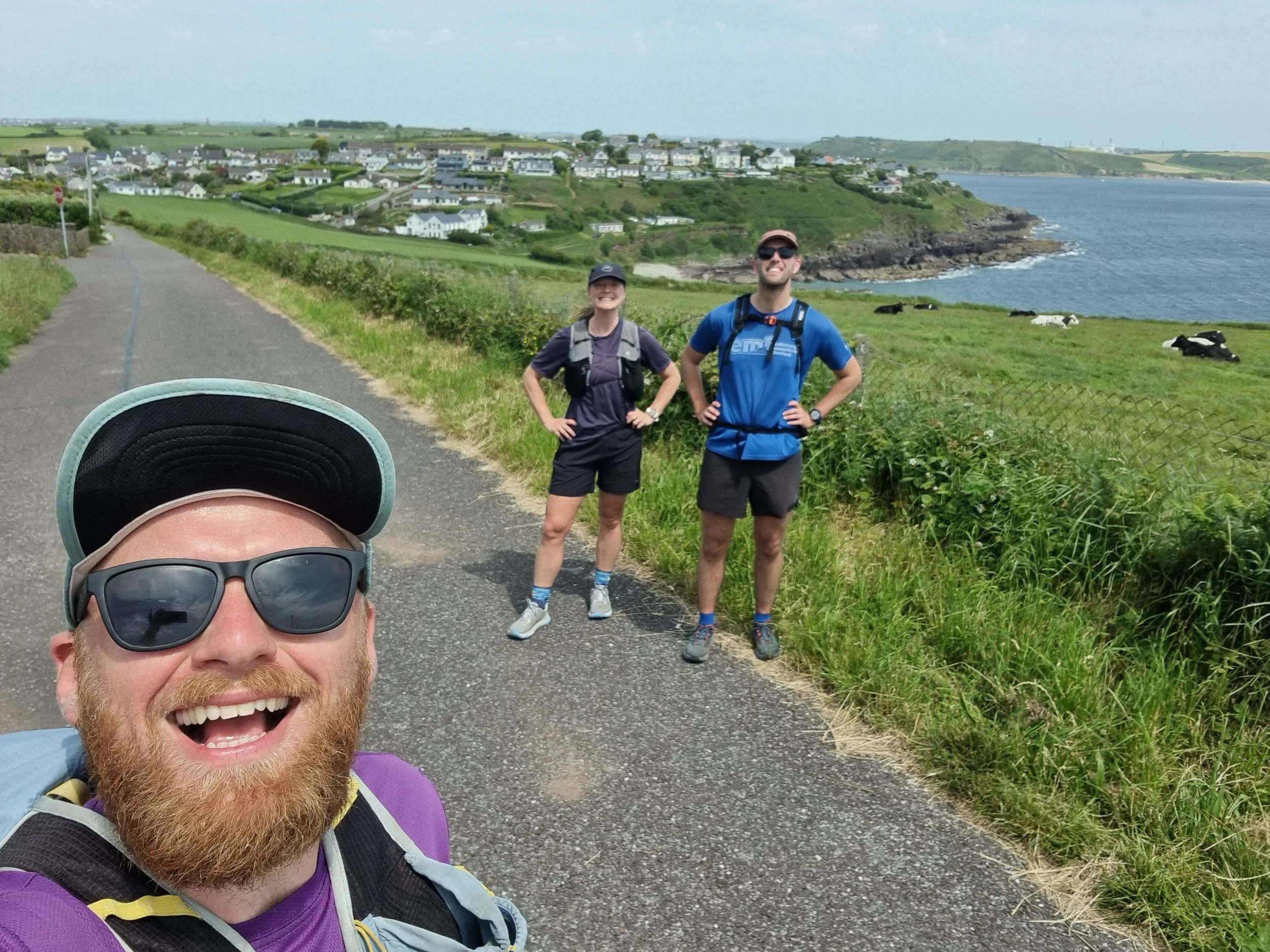
On an adventure with YRP athletes
I got into coaching because I felt like I needed a new challenge in my life. This was connecting to my purpose and values: to challenge myself to improve at things I enjoy and to be grateful for the journey. I also felt like I was missing something from this purpose around helping other people to do these things, including meeting their own purpose and values through running.
My own purpose in running is to challenge myself, improve, be grateful and enjoy myself. I come back to these ideas and reflect on them regularly. Have I lived all four of these actions this day/week/month? How can I focus on one of them to a greater extent next week? It has been a useful touchpoint with athletes as well, although more important is that they are meeting their own purpose, which won’t be the same as mine.
I have learned to not assume that athletes already have their purpose and goals clear in their own mind. I won’t be able to give those to them on a plate either - they need to figure it out for themselves. What I can do is spend time with them working on this and to give them a structure that helps them to understand their purpose. We can then both fully buy into this, and then design a plan that allows them to follow through on it.
More broadly, I've learned that coaching isn't about having all the answers. It's about listening carefully, asking good questions, and helping someone make steady progress through the inevitable ups and downs.
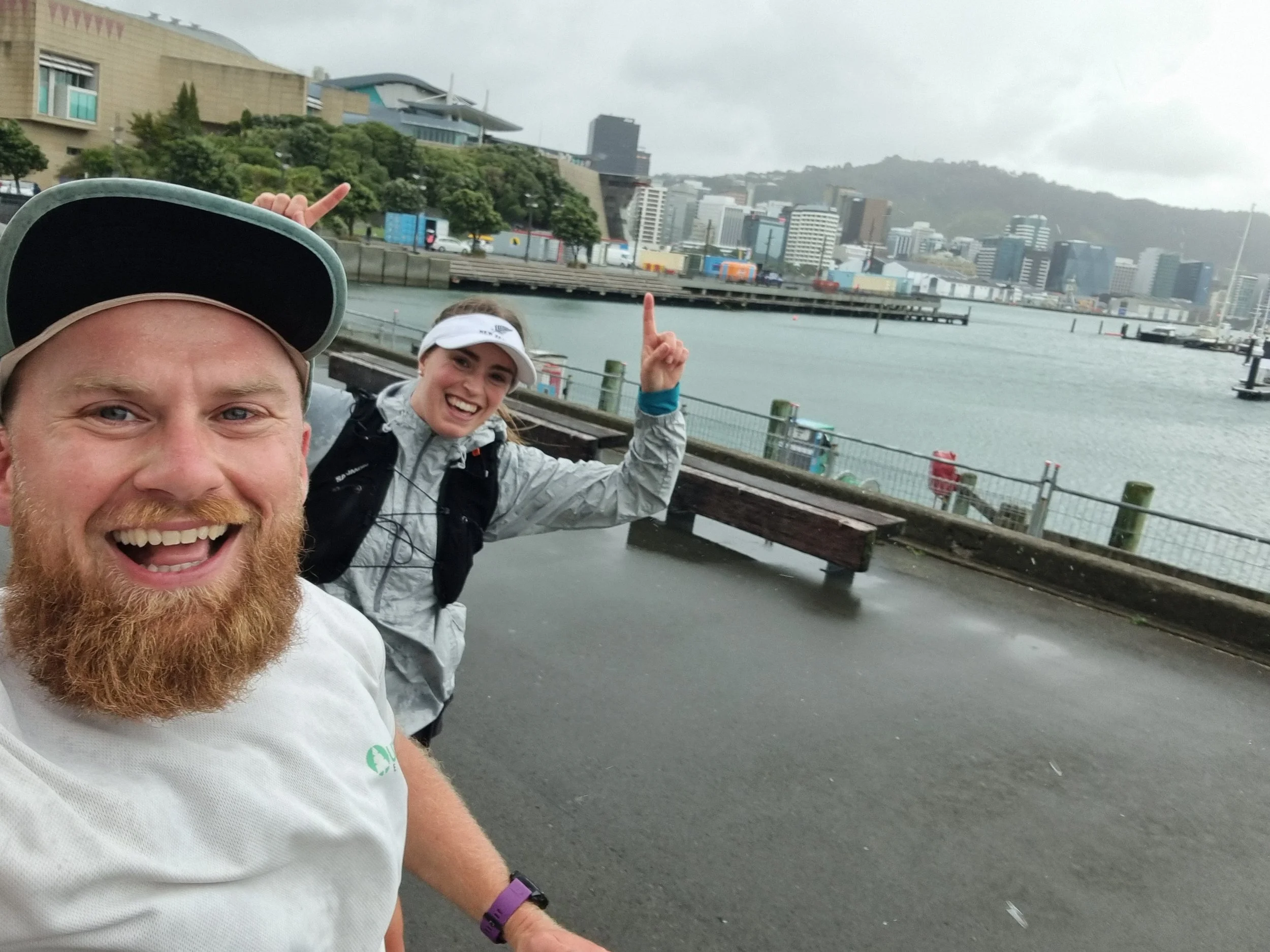
Taking a regular catch-up to the waterfront
A big priority for me from the outset has been to help athletes run in a more sustainable way, reducing the risk of injury and supporting a swift return when injury happens. Unfortunately, injury is part and parcel of endurance sports and will happen when you are coaching a dozen or more athletes. At first, I found this a big challenge and spent a lot of time reflecting on what I might have done wrong: I shouldn’t have given them less volume, that speed session last week was a mistake, I should have done more to adjust training from that conversation we had about their energy levels. To some extent, this reflection has been a helpful part of my learning journey, but too much of it is self-destructive and doesn’t help the athlete to build back stronger.
I’ve seen athletes I am coaching have lots of successes: running further than they ever have before, smashing PBs, hitting podiums. More gratifying than this has been seeing athletes connect to their purpose and love the sport, and the ultimate compliment has always been when an athlete recommends my coaching to a friend - I am humbled every time this happens. I have had to stop myself from getting too carried away with the successes though. There are also lots of setbacks and disappointments from athletes, and part of my role as their coach is to offer steady reassurance throughout their journey, rather than constantly amplifying the magnitude of the highs and lows along the way, especially when they relate to outcomes out of their control. Did you finish on the podium? Great, but you wouldn’t have done so if three faster people had turned up. Did you achieve your goal of executing your fuelling strategy and thanking all of the volunteers? Awesome!
It has been such a thrill to support athletes in challenging themselves and find consistent enjoyment in their running. Knowing how much I have learned and improved my craft in the past year gets me very excited for the year ahead. I know that there will be challenges ahead, but I am incredibly grateful to be working with some incredible people and I am looking forward to another year of improvement and joy ahead.
